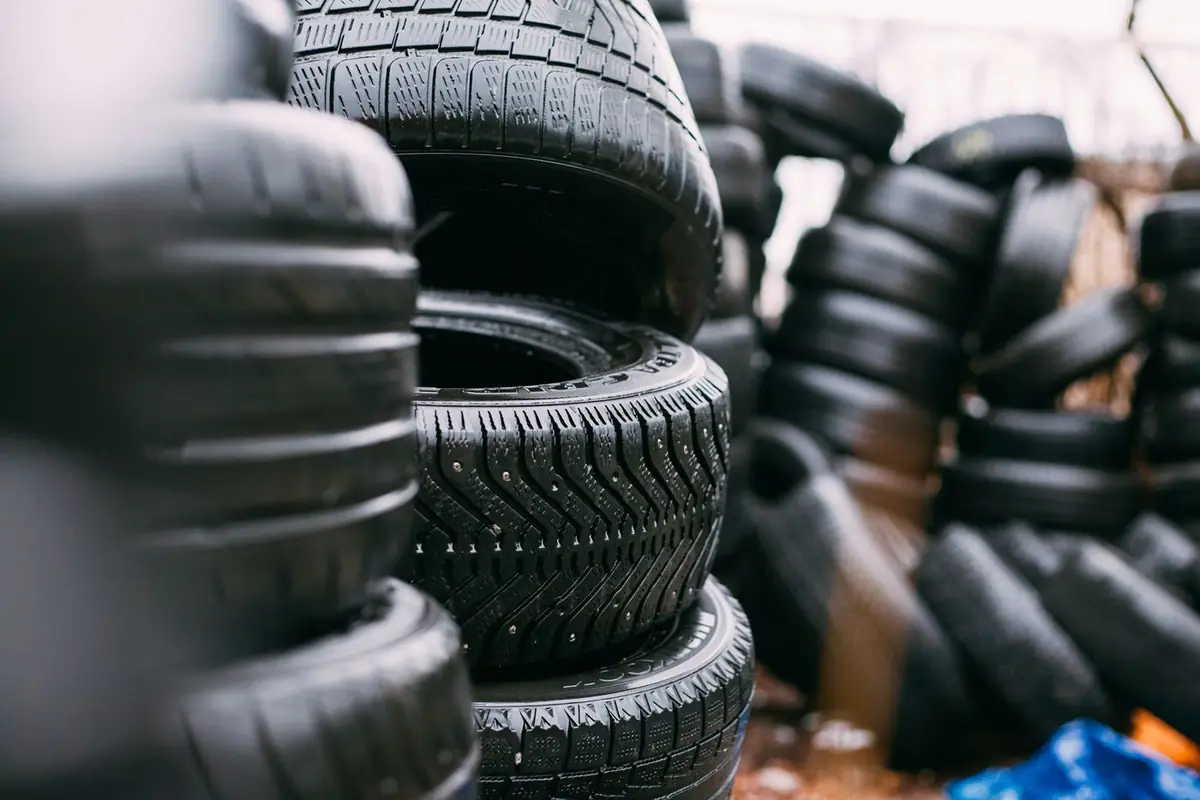
What EPR for waste tyres is
Extended Producer Responsibility (EPR) makes tyre makers and importers responsible for the tyres they put on the Indian market once those tyres are worn out. The Government of India notified EPR for waste tyres on 21 July 2022 through an amendment to the Hazardous and Other Wastes (Management and Transboundary Movement) Rules, 2016. The EPR provisions sit in Schedule IX of those rules.
In practice, producers meet their obligation by buying EPR certificates from registered recyclers, who earn them by turning waste tyres into recognised end products.
Who must register
Everyone in the system registers on the Central Pollution Control Board's Waste Tyre EPR portal. No entity may operate without registration.
- Producers: tyre manufacturers and importers of new and used tyres. Importers of waste tyres are also treated as producers.
- Recyclers: units that turn waste tyres into reclaimed rubber, crumb rubber, crumb rubber modified bitumen, recovered carbon black, or pyrolysis oil and char. A recycler needs a valid consent and authorisation from its State Pollution Control Board as well as EPR registration.
- Retreaders: units that renew the tread of worn tyres that are still structurally sound.
Importers of waste tyres register both as a producer and as a recycler.
Targets for tyre producers
| Year | EPR obligation | Based on tyres made or imported in |
|---|---|---|
| 2022–23 | 35% | 2020–21 |
| 2023–24 | 70% | 2021–22 |
| 2024–25 | 100% | 2022–23 |
| Each year after | 100% | Two years earlier |
Importers of waste tyres carry an obligation of 100% of the waste tyres they imported in the previous year. New manufacturing units set up after 1 April 2022 begin their obligation two years later. Tyres that producers export are outside the obligation.
Source: Central Pollution Control Board, Waste Tyre EPR FAQ.
End products that count
EPR certificates are generated when a registered recycler sells a recognised end product made from waste tyres:
- Crumb rubber
- Reclaimed rubber
- Crumb rubber modified bitumen
- Recovered carbon black
- Pyrolysis oil and char (from domestic waste tyres only)
Importing waste tyres to produce pyrolysis oil or char is prohibited. Imported waste tyres must go to recycling routes such as crumb rubber, reclaimed rubber, crumb rubber modified bitumen or recovered carbon black.
Sources: Central Pollution Control Board; Press Information Bureau, Government of India (21 August 2025).
How EPR certificates work
- The quantity of certificates depends on the quantity of end product sold, adjusted by conversion factors set for each end product.
- Certificates are valid for two years from the end of the financial year in which they are generated.
- Retreading certificates defer a producer's obligation by one year for the tyres concerned. The obligation ends only when those tyres are finally recycled by a registered recycler.
Is it working?
According to NITI Aayog, EPR certificates issued from 2022 to September 2025 covered 9.2 million tonnes, against a producer obligation of 6.2 million tonnes. Of the certified quantity, 6.64 million tonnes came from domestic tyres and 2.56 million tonnes from imported tyres. By September 2025, 552 of an estimated 851 tyre recyclers in India were authorised.
Source: NITI Aayog, Government of India (2026).
Where Krishna Exports fits
We are tyre recyclers. We buy used tyres in India and abroad and turn them into crumb rubber, rubber granules and rubber chips by mechanical recycling. Nothing is burned. To learn how imports of waste tyres are regulated, read our guide to importing waste tyres into India.
This guide is general information drawn from Government of India sources, not legal advice. Check the current rules on the CPCB portal before acting.
Got used tyres? We buy.
Passenger and truck tyres, whole, cut or shredded, from across India and around the world.